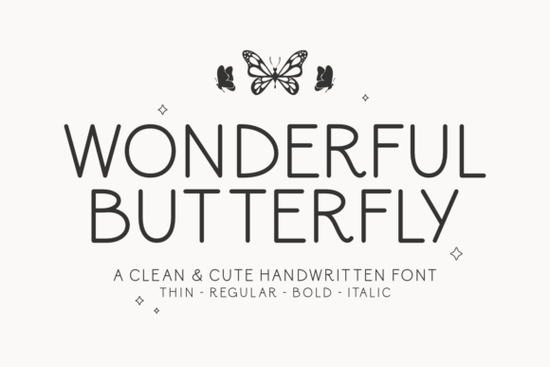
If you are looking for a typeface that feels personal but still works for business layouts, the Wonderful Butterfly Font hits the right balance. It combines smooth, contemporary lines with a hand-drawn charm that works well for modern branding. Designers and small shop owners often struggle to find a script that reads clearly on both screens and printed materials, but this set solves that problem by keeping letter spacing consistent and shapes clean.
Many creators ask whether a playful script can actually hold up in professional settings. The answer depends on the weight you choose and how you pair it with supporting text. This particular collection offers four distinct styles: thin, regular, bold, and italic. You can use the lighter strokes for delicate packaging labels, then switch to the heavier versions to highlight product names or call-to-action buttons. If you want to explore similar handwritten alternatives, browsing through a curated selection of elegant typefaces might give you extra ideas for matching styles.
Which projects actually benefit from multi-weight script families?
Having multiple variations saves time when building cohesive layouts. Crafters using cutting machines will appreciate how the bold version cuts cleanly without losing fine details, while digital marketers can use the regular weight for social media quotes that still feel human and approachable. Print-on-demand sellers often rely on script typography for apparel tags and stationery, where legibility matters just as much as aesthetics. The consistent baseline across all four styles means you can stack headings, subheadings, and body text without the composition feeling disjointed.
How do you pair a handwritten typeface with clean sans serif fonts?
Contrast is the most important rule when working with decorative lettering. Since the main letters already carry a relaxed, handcrafted feel, you should pair them with something structured. Look for neutral sans serif options with open counters and steady x-heights. Keep the pairing to two fonts total: one for visual interest, one for readability. Avoid stacking multiple scripts together, as they tend to compete for attention. If you need inspiration for beginner-friendly typography setups, this guide to basic font pairing breaks down the spacing and scale ratios that keep layouts from looking cluttered.
What should hobbyists know about commercial licensing and file formats?
Before you download any new typography, always check the license terms for your intended use. Most personal projects, like family scrapbooks or classroom handouts, fall under standard permissions. If you plan to sell physical goods, digital templates, or logo services, you will need a commercial or extended license that covers merchandise. The package typically includes OpenType files compatible with major design software, so you can access special characters, ligatures, and alternate glyphs without manual workarounds. For those exploring other casual script collections, the licensing structure usually follows the same pattern, so keeping a quick reference sheet saves confusion later.
Why does letter consistency matter for small business branding?
Customers associate messy typography with unpolished businesses. A script font that maintains uniform stroke thickness and predictable spacing builds subconscious trust. The curves in this collection avoid excessive swoops that often trap ink during printing or blur on mobile displays. You get the warmth of hand-lettering without sacrificing the precision required for invoices, business cards, or website headers. Maintaining a cohesive look across multiple touchpoints relies on steady typography rather than busy graphics. For a different angle on modern casual scripts, you might also want to review another streamlined option that focuses on minimal decorative elements.
Quick setup checklist for using the font correctly
- Install both regular and OTF versions so your design software can access advanced typographic features like contextual alternates.
- Adjust tracking slightly when using the thin weight; handwritten styles often need a fraction more breathing room than geometric fonts.
- Test at actual print size by exporting a PDF and viewing it at 100 percent zoom. Screen previews rarely show how ink spreads on matte or textured paper.
- Keep line height at 1.3 to 1.5 for body text to prevent ascenders and descenders from overlapping.
- Save a style guide with your exact font sizes, colors, and pairing choices so every team member or client stays aligned.
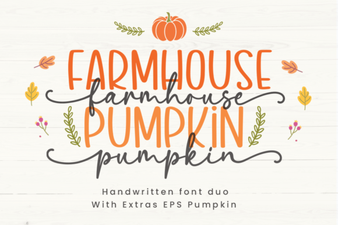 Farmhouse Pumpkin Font Ideas for Your Projects
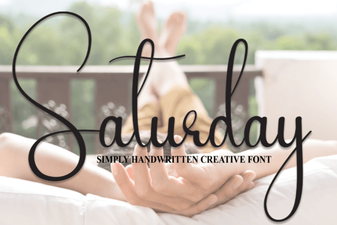 Saturday Fonts for Creative Design Projects
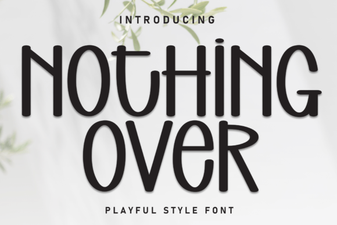 Choosing Font Fonts for Your Creative Projects
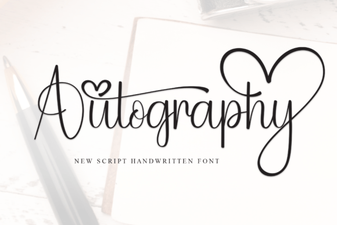 Craft Your Signature Style with Autography Fonts
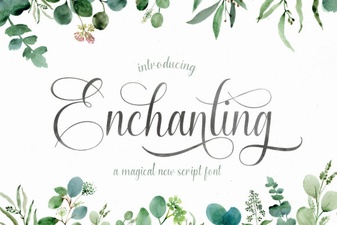 Enchanting Script Fonts for Elegant Design Projects
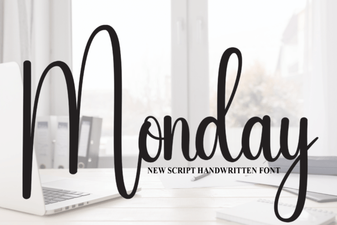 Monday Font: Creative Design Ideas and Project Uses