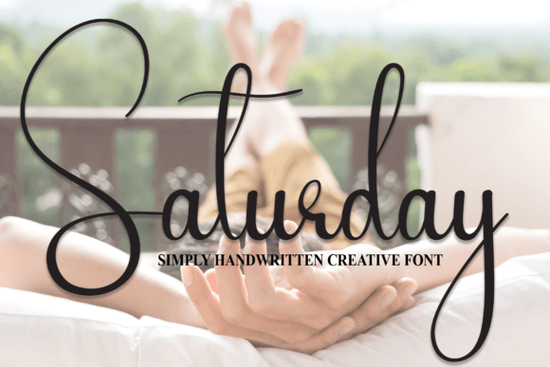
Finding a handwritten typeface that actually feels warm and readable can be frustrating. Most options lean too formal or look overly rough when printed on standard paper. Saturday Font solves that by keeping strokes clean and spacing even, which makes it a reliable choice for everyday creative work. If you design custom greeting cards, build digital presentations, or sell handmade items online, having a friendly script in your library saves time and keeps your projects looking consistent across different materials.
The design leans toward a casual, human touch without sacrificing clarity. That balance is why print-on-demand sellers and creative hobbyists often return to it for packaging labels, social media graphics, and seasonal templates. You do not need advanced typography skills to make it work, and it pairs well with clean sans serifs when you want a layered, professional look without spending hours adjusting kerning.
When does a handwritten font work best for crafts and small products?
Handwritten styles shine when you want to add a personal feel without spending hours drawing custom lettering. For wall art, ceramic mugs, or wedding invitations, this script sits comfortably alongside bolder display faces. The even baseline and open counters mean it stays legible at smaller print sizes, which matters for stickers, product tags, and thank-you cards. For projects that need a softer, seasonal touch, you might also browse cozy autumn typefaces to match your color palette.
How should I size handwritten text for different surfaces?
Start by testing your layout on a standard letter sheet before moving to fabric or wood surfaces. Keep main headlines above twenty-four points and leave breathing room around curved letters. Hand-drawn styles look crowded if tracking is too tight, so adjust spacing in your software until the letters feel naturally separated. If you are new to digital cutting machines, checking out resources for easy-to-learn script options will help you understand blade depth and cut settings before scaling up production.
What makes a script easy to pair with other typefaces?
The secret lies in visual contrast. A friendly handwritten script works best with geometric or neutral body fonts that do not compete for attention. Use the script for titles, short quotes, or accent text, then keep longer paragraphs in a highly readable font. This approach works especially well for café menus, workshop flyers, and online shop banners. When your design needs something lighter and more delicate, exploring soft script alternatives can help you balance visual weight across a multi-page layout.
Can I use this font for digital presentations and client mockups?
Yes, but readability must always guide your choices. Presentation slides require text that audiences can scan quickly from the back of a room. Because the letterforms are open and consistent, this script holds up well for short headings, slide dividers, or emphasis phrases. Avoid using it for dense paragraphs or fine print. If your project leans toward elegant or fantasy themes, you might also review refined calligraphy options to see how different stroke endings change the overall mood. Always test colors and background contrast before sharing files with clients.
Where can I verify the license before commercial use?
Always review the specific usage terms attached to your download, especially if you plan to sell physical goods or embed typefaces in client websites. Commercial rights can vary between personal and business tiers, so keep a screenshot or PDF of the license for your records. Note whether merchandising, logo creation, or web embedding are covered under your chosen plan. When in doubt, check the official product listing for updated guidelines. You can also verify the latest file formats and updates for Saturday Font on the marketplace to ensure your workflow stays compliant.
What quick steps should I follow before finalizing a design?
- Test print a single proof to check ink bleed and edge clarity on your chosen material.
- Pair the script with a simple body font and verify readability at the actual viewing distance.
- Convert text to outlines and save both editable and flattened versions for client handoff.
- Confirm your commercial license covers your exact product type and sales channel.
- Export at three hundred DPI for print or optimize to seventy-two DPI for web previews.
- Adjust line spacing so curved strokes do not overlap when scaled down.
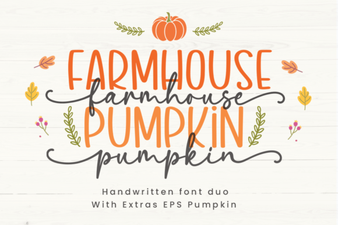 Farmhouse Pumpkin Font Ideas for Your Projects
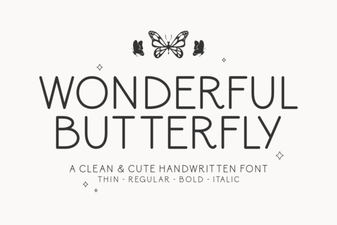 Butterfly Fonts: Creative Typography Designs
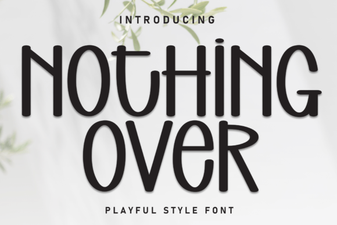 Choosing Font Fonts for Your Creative Projects
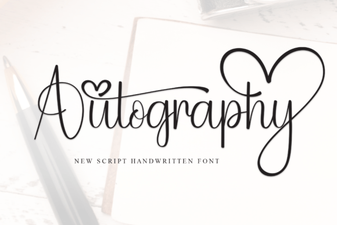 Craft Your Signature Style with Autography Fonts
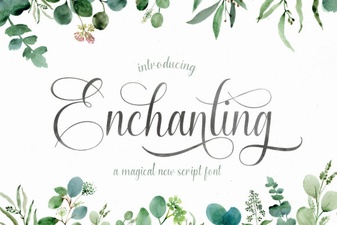 Enchanting Script Fonts for Elegant Design Projects
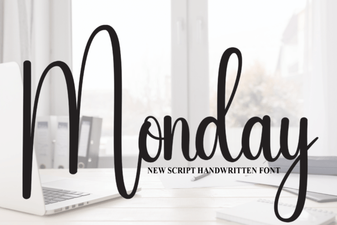 Monday Font: Creative Design Ideas and Project Uses