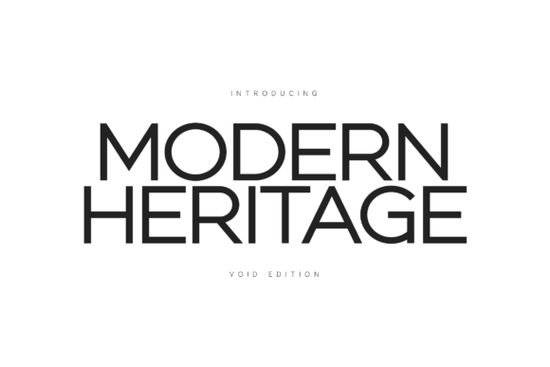
Finding typography that balances clean geometry with an editorial feel can be challenging, especially when your layouts need room to breathe. If you want a reliable type solution that prioritizes spacing and structural clarity, the Modern Heritage Font delivers exactly that. Built around classic Swiss design principles, it strips away decoration and focuses on proportion. The generous x-height and consistent monolinear strokes keep text legible across mobile screens and large prints alike. Designers choose it for branding, editorial spreads, and user interfaces where readability comes first.
What makes this version stand out is the intentional use of empty space. The letterforms open up slightly, which prevents dense blocks of text from feeling heavy. You can use it for architectural presentations, fashion lookbooks, or tech landing pages where clarity matters more than visual noise. The clean typographic structure supports both short headlines and longer paragraphs without losing its refined edge.
Why do minimalist brands prefer high-contrast typefaces?
High contrast here refers to the relationship between the letterforms and the background space. This typeface leans into open counters and extended shoulders, creating quiet confidence on screen and paper. Small business owners and POD sellers notice the difference immediately when placing text over textured backgrounds. Instead of competing with graphics, the letters sit comfortably in negative space, guiding the viewer through your message.
How does spacing affect readability in crowded layouts?
When you work with product mockups, web dashboards, or packaging templates, every millimeter counts. A typeface that breathes well reduces visual fatigue, especially for readers scanning multiple sections. The uniform stroke weight and carefully calculated tracking mean you rarely need to adjust kerning manually. If your project involves dense information, you can pair it with a lighter body font to maintain hierarchy. Many creators also explore alternative geometric styles when they want softer roundness to balance sharp headline edges.
Which commercial projects benefit most from this typeface?
The flexibility suits a wide range of creative workflows. Interior designers use it for portfolio catalogs and signage because it maintains gallery-like elegance. Crafters and print-on-demand sellers apply it to apparel tags, notebook covers, and minimalist wall art where typography acts as the main visual element. Web developers rely on its predictable x-height for navigation bars and form labels. Because the file set includes standard glyphs and numerals, you will not hit formatting walls mid-project.
How do I pair it without disrupting visual balance?
The most common mistake when working with sleek sans-serifs is adding another heavy weight that fights for attention. Let the primary font handle structure and use your secondary choice for subtle emphasis. If your design requires a stronger display layer for posters or banners, consider matching it with a bolder, high-impact display face. Keep the pairing to two families maximum. Stick to three weight variations, and let your layout grid manage the spacing. You can also apply italic or underline treatments sparingly when highlighting pricing or dates.
Commercial licensing matters when selling physical or digital goods. Always verify permissions for desktop use, web embedding, and merchandising before placing files into client deliverables. Test your typography at fifty percent scale to catch spacing issues early. For reference, you can explore Modern Heritage to see how it performs in different commercial contexts and review full license terms.
Before applying this typeface to your next project, run through a quick setup routine:
- Install the complete family and verify all weights load correctly in your software.
- Create a test artboard with your actual dimensions, then paste sample text to evaluate line height.
- Set default tracking to zero and adjust only if the layout feels cramped.
- Save a style guide with exact sizes, weights, and color codes for consistent deliverables.
- Export proofs in RGB and CMYK to check rendering differences before printing.
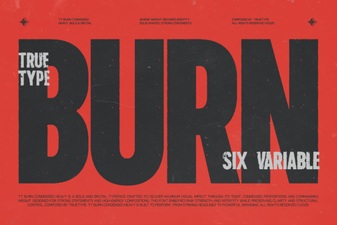 Trt Burn Font: Creative Design Ideas and Uses
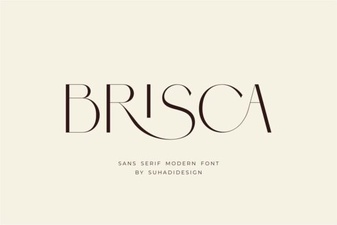 Brisca Font for Creative Design Projects
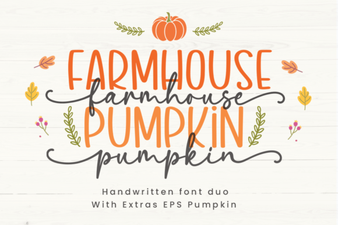 Farmhouse Pumpkin Font Ideas for Your Projects
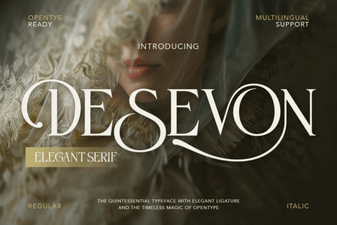 Desevon: a Bold Font for Creative Projects
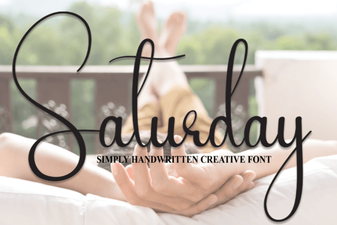 Saturday Fonts for Creative Design Projects
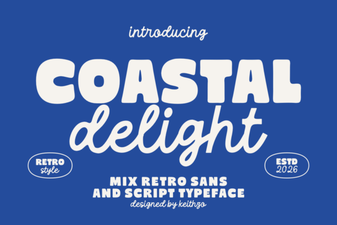 Coastal Delight Font: Design Tips & Download Guide