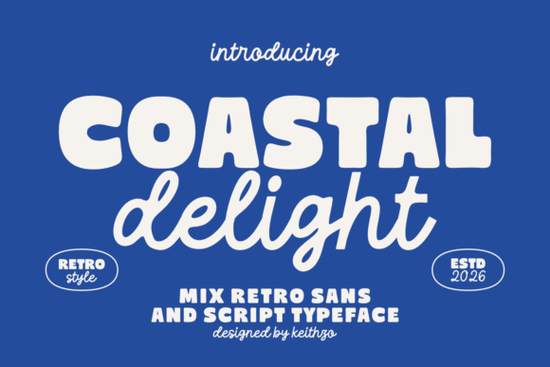
When you need typography that immediately feels like a warm afternoon by the water, Coastal Delight Font delivers that mood without sacrificing functionality. This typeface duo pairs a heavy, retro-inspired sans-serif with a relaxed hand-lettered script. Designers often reach for this combination when headlines must command attention while keeping a soft, approachable tone. The built-in contrast means you rarely need to hunt for secondary fonts to build a clear visual hierarchy on posters, packaging, or digital banners.
What kinds of creative projects work best with this typeface?
Because the letterforms carry a nostalgic weight, they fit naturally into beach-themed branding, summer invitations, and café signage. Print-on-demand sellers find that the bold shapes print cleanly on apparel, while crafters use the script portion for vinyl cutting and scrapbook layouts. The relaxed rhythm communicates calm without looking overly polished, making it ideal for boutique branding and local event flyers. You might also explore this structured display option if your project leans more toward classic editorial layouts rather than seasonal campaigns.
The script component shines when you need a personal, hand-drawn touch on product labels or social media templates. It maintains readability at medium sizes, so it does not fall apart on mobile screens. Small business owners appreciate how the two weights already complement each other, which reduces layout guesswork during busy launch weeks.
How do you balance the heavy and script styles without creating clutter?
Treat the chunky sans-serif as your anchor and let the script act as an accent. Use the bold letters for primary headlines or product names, then reserve the flowing script for subheadings or taglines. Keeping generous spacing around the script prevents it from feeling cramped against heavier strokes. When working in design software, adjust the tracking slightly on the script to improve legibility without breaking its organic shape.
The current pairing holds up well for weekend or seasonal campaigns that need a relaxed tone. If you are designing for holiday markets, this warm, retro-styled typeface shares the same emotional palette, making it a useful companion piece. For projects targeting younger demographics, a rounded, child-friendly alternative might better match that specific visual direction.
Why do small brands choose this font for print and digital consistency?
Modern workflows require assets that scale cleanly across screens and large-format prints. The thick stems and open counters of the sans-serif maintain sharp edges at both ends, while the script avoids thin strokes that frequently break during cutting or low-resolution rendering. This practical balance saves time on export checks, ensures your artwork survives the cutting plotter blade, and reduces complaints about blurry text.
When you need maximum impact for banners or podcast covers, these layered letterforms provide a heavier, more architectural direction. Still, the natural flow of this duo keeps marketing materials feeling approachable. Creative hobbyists like how easily it adapts to standard template workflows. To capture vintage storytelling vibes, this nostalgic script pairing brings out similar emotional tones while keeping the layout clean.
What licensing details should you review before commercial use?
Before applying any typeface to client work or merchandise, always check the included license file. Commercial packages typically cover digital use and printed goods, but restrictions can vary based on distribution volume. Keep a copy in your project folder to protect yourself during marketplace reviews or brand audits. For a deeper look at how to match weights safely, you can review Coastal Delight Font reference materials.
Building a reliable library means testing how new faces interact with your existing assets. Try placing the script on textured backgrounds, layering it behind geometric shapes, or using the bold version for simple icon labels. Real-world mockups will quickly show whether the font meets your brand’s readability standards and fits alongside your current color palette.
Quick checklist before finalizing your next layout:
- Test both weights at different scales to confirm crisp edges on export.
- Keep at least 1.2 line-height for script elements to maintain breathing room.
- Verify color contrast against your background before printing or publishing.
- Save a flattened preview to catch rendering differences across devices.
- Bookmark your license PDF so you can reference usage limits during client revisions.
Start with one headline and a short body block to see how the hierarchy reads in your project space. Adjust spacing before changing colors, and let the natural rhythm of the letters guide your final design decisions.
Download Now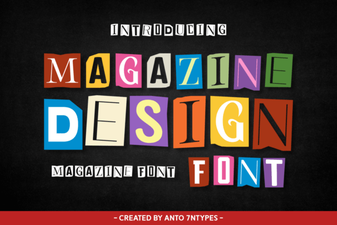 Creative Font Choices for Modern Magazine Design
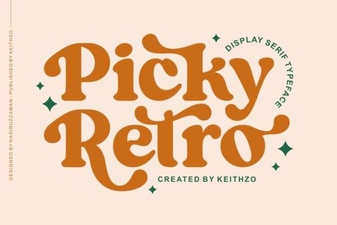 Creative Uses for Picky Retro Fonts
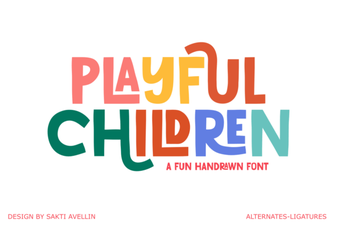 Playful Fonts for Creative Children's Projects
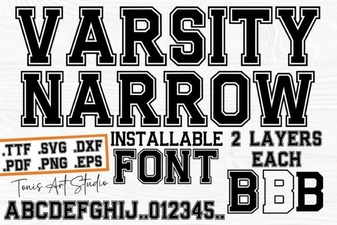 Innovative Design Projects Using Varsity Narrow Font
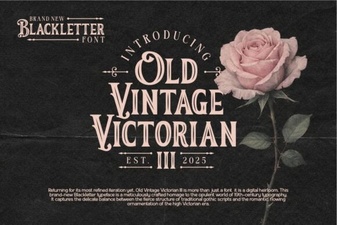 Classic Victorian Font Design Ideas & Uses
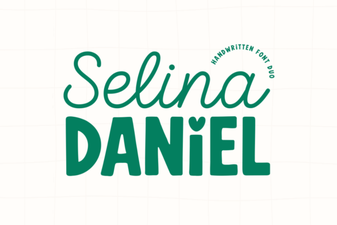 Selina Daniel Duo: a Creative Font Pairing