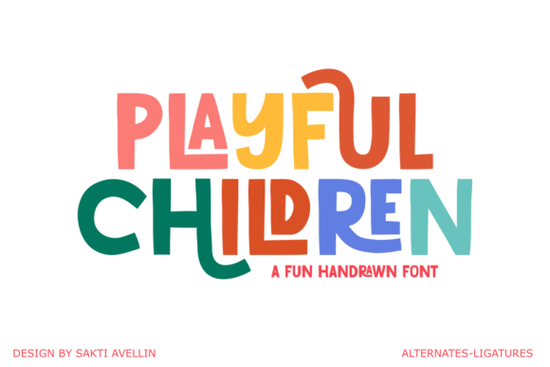
Designing for young audiences requires a typeface that balances clear readability with genuine character, which is exactly where the Playful Children Font excels. This hand-drawn display face captures the loose, energetic strokes you would expect from a child’s own handwriting, making it a reliable choice for anyone building youth-focused brands. Whether you are a print-on-demand seller creating nursery decor, a small business owner launching a baby apparel line, or an educator designing classroom worksheets, this font handles visual weight without sacrificing legibility. You can explore the full display typeface collection to see how each letter maintains its unique, slightly uneven charm across different sizes and resolutions.
What makes this typeface work so well for early learning and youth brands?
The core strength lies in its organic construction. Instead of relying on rigid geometric lines or uniform weights, every curve and crossbar feels naturally uneven, which mimics real-world hand-lettering. This approach removes the corporate edge from standard typography and replaces it with approachable warmth. For teachers and curriculum developers, this translates directly to student engagement. Young learners respond faster to visuals that look friendly and familiar, making this face ideal for instructional posters, alphabet flashcards, and interactive reading guides.
Branding for daycares, after-school programs, or toy retailers benefits from the exact same visual language. Parents are consistently drawn to designs that feel safe and joyful, and this lettering style communicates both instantly. When placed alongside simpler body copy, it creates a clear visual hierarchy that guides the reader without overwhelming them. For those who want to test file formats or review commercial licensing details before starting a project, you can visit the official Playful Children page to confirm usage rights for your specific business needs.
Where does it perform best across physical and digital products?
Flexibility matters when you are juggling multiple client requests. This typeface adapts smoothly across paper substrates and screen displays, but certain applications highlight its strengths better than others. Packaging for toddler snacks, milk cartons, or birthday party favors gains immediate shelf appeal when the lettering feels light and hand-finished. Merchandise like cotton t-shirts, ceramic mugs, and removable wall decals also carries a premium feel because the typography itself acts as the primary graphic element.
Digital creators will find it scales cleanly on social media graphics, YouTube thumbnails, and printable activity sheets. If you are building a broader seasonal identity, you might experiment by contrasting it with a heavier, structured style. Many crafters find success when they balance whimsical headers with rugged block lettering for outdoor adventure camps or themed scavenger hunt kits. The key is letting each font occupy its own visual zone.
How do you mix it with other typography without creating clutter?
A common mistake when working with expressive fonts is applying them to long paragraphs or dense information blocks. The most effective layouts reserve playful display faces for short headlines, isolated quotes, or product labels. Keep body text, pricing details, and navigation menus in clean, highly readable sans serif fonts. This contrast prevents the layout from feeling chaotic, especially when targeting busy parents who need to skim for details quickly.
Seasonal campaigns also benefit from thoughtful pairings. A springtime nursery promotion looks cohesive when you anchor a bright, rounded header with an older, structured typeface. Designers frequently pull in classic Victorian-inspired serif faces to add a touch of timeless elegance next to modern, youthful scripts. Similarly, summer camp brochures or beach-themed baby showers pair beautifully with breezy coastal scripts that mirror relaxed vacation energy without competing for attention.
What technical settings give you the cleanest print output?
To maintain the intended hand-drawn illusion, avoid adding heavy tracking or extreme letter spacing. The characters are pre-spaced to flow naturally when left at default settings. If you need extra breathing room around a headline, increase the line height or padding rather than stretching the characters. For print-on-demand workflows, always export your final artwork at 300 DPI in CMYK mode. This prevents delicate curves from appearing pixelated or blurred on cardstock, canvas, or fabric.
When preparing files in vector software, convert your text to outlines before sending them to a manufacturer or print shop. This locks the shapes in place and eliminates font substitution errors during production. If your project involves youth sports leagues or school spirit gear, consider framing your playful headers inside structured badge layouts. Pairing them with athletic collegiate lettering creates a balanced visual identity that appeals to both children and their parents.
Quick checklist before finalizing your design
- Keep the playful font limited to headlines, short labels, or accent text.
- Pair it with a neutral sans serif for body paragraphs to maintain readability.
- Leave default tracking intact to preserve the hand-drawn rhythm.
- Convert text to outlines before exporting for commercial printing.
- Verify commercial licensing covers your specific product category.
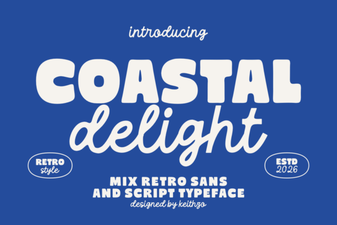 Coastal Delight Font: Design Tips & Download Guide
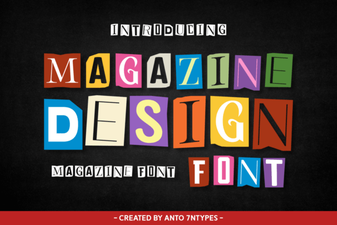 Creative Font Choices for Modern Magazine Design
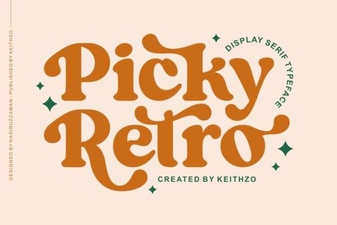 Creative Uses for Picky Retro Fonts
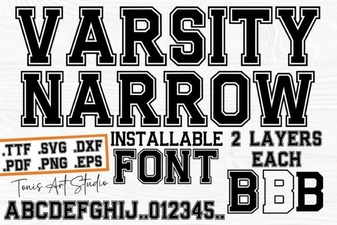 Innovative Design Projects Using Varsity Narrow Font
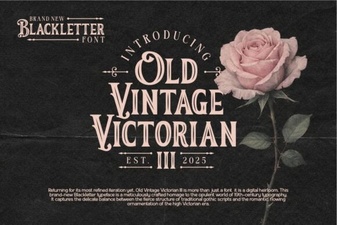 Classic Victorian Font Design Ideas & Uses
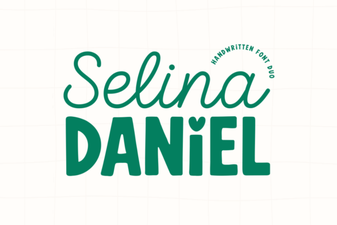 Selina Daniel Duo: a Creative Font Pairing