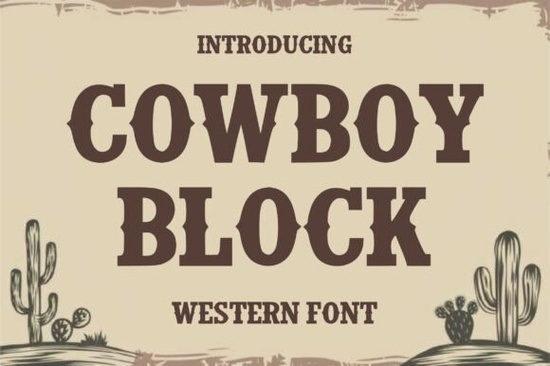
When you need a typeface that immediately signals rugged authenticity, the Cowboy Block Font delivers exactly that. It is built for projects that require strong visual impact without relying on cluttered decorative elements. The design uses thick, condensed letterforms and sharp decorative spurs on the serifs to create a clean, vintage saloon aesthetic. Whether you are laying out a rustic brand identity, printing custom apparel, or designing a retro poster, this typeface gives your work that grounded, frontier feel right out of the box.
What makes this western typeface different from standard slab serifs?
Most display fonts in this style lean heavily on distressed textures or uneven edges to sell a worn look. Cowboy Block Font takes a different approach by focusing on structural clarity. The all-caps layout keeps the character count uniform, while the robust block serifs and distinctive wedges create a sharp, masculine silhouette. Because the weight is evenly distributed and slightly condensed, the letters stay highly legible even at smaller sizes or on busy backgrounds. This means you get maximum visibility for signage and headers without sacrificing the classic old-west charm that draws attention.
Where does a vintage cowboy font actually work in real projects?
The strongest applications for this typeface come down to context. It shines in old-timey wanted posters, custom restaurant signage, and country music album art, but it also translates well to modern print-on-demand shops. If you are designing badges, labels, or rustic logos for outdoor gear or barbecue brands, the clean lines ensure the text remains crisp when printed on fabric, metal, or paper.
Many sellers pair it with complementary styles to balance their storefronts. For example, pairing a heavy western display with a lighthearted family-friendly option works well for kid-focused camping gear, while combining it with a polished editorial typeface helps maintain professionalism on event materials. If your shop leans toward sports or streetwear, a compact collegiate style layered underneath can add dimension to your mockups. Even casual, relaxed branding benefits when contrasted with a soft, summery script to keep the overall composition from feeling too heavy.
How do you pair a rugged display font without losing readability?
The key to working with a bold, condensed western typeface is managing white space. Since the letterforms are thick and occupy a lot of horizontal room, you should increase tracking slightly to prevent the wedges from overlapping on smaller screens or crowded layouts. Stick to all-caps for headlines, but avoid using it for body paragraphs. When you place this font next to a clean, neutral sans-serif, the contrast allows the decorative spurs to pop while keeping the rest of the layout easy to scan. For reference, you can explore how other typographers handle display weights by looking at Cowboy Block Font in similar categories.
What should small businesses know before using this in commercial work?
If you run a print-on-demand store, a craft business, or a local marketing agency, checking the licensing terms is a necessary step. Commercial fonts usually allow you to use the design on physical products, digital templates, and printed marketing materials, but restrictions can vary for digital resale or web embedding. Always verify whether your license covers unlimited physical prints, which is important when scaling up apparel runs or producing large-format banners. Keeping your licensing organized prevents unexpected issues when your shop grows or when you hand off files to clients.
Quick checklist before exporting your design files
- Test at print size: Scale your headline to the final dimensions to ensure the decorative wedges do not merge or look muddy.
- Adjust tracking: Add 20–40 points of letter spacing when placing the font on dark or patterned backgrounds.
- Limit color usage: Stick to one or two high-contrast colors to let the thick letterforms stand out.
- Verify licensing: Confirm that your downloaded license matches your intended use, especially for merchandise that will be sold in bulk.
- Create a fallback pair: Save a simple sans-serif version alongside your main design file so clients or printers have a readable alternative if needed.
Taking these small steps ensures your projects look professional from concept to final print. Start with a rough mockup, adjust the spacing, and let the strong block shapes carry the visual weight of your layout.
Learn More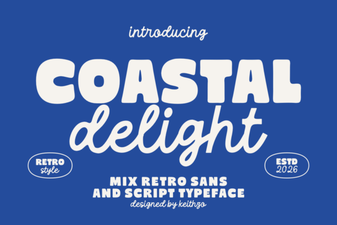 Coastal Delight Font: Design Tips & Download Guide
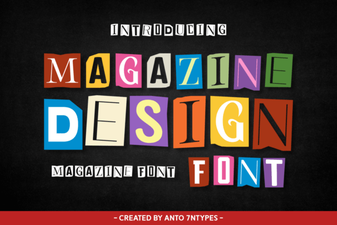 Creative Font Choices for Modern Magazine Design
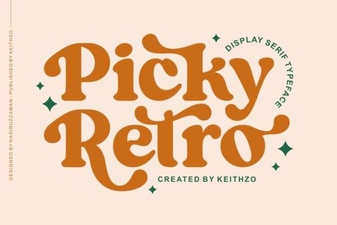 Creative Uses for Picky Retro Fonts
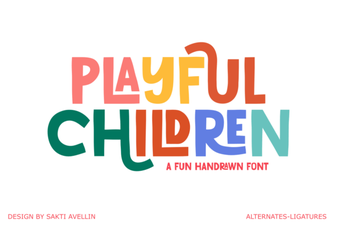 Playful Fonts for Creative Children's Projects
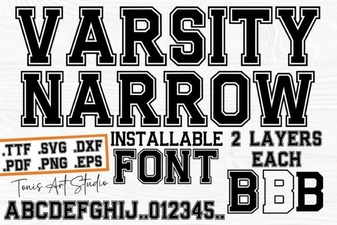 Innovative Design Projects Using Varsity Narrow Font
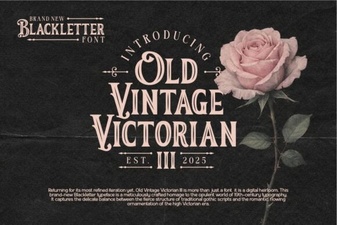 Classic Victorian Font Design Ideas & Uses