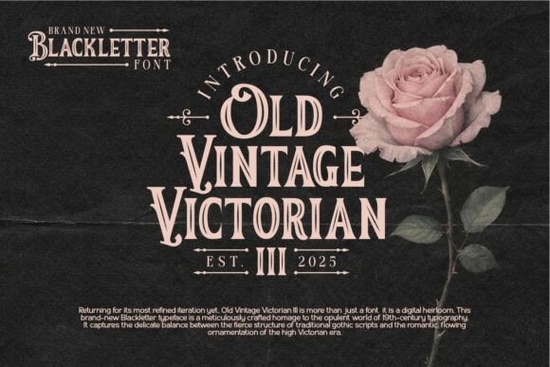
The Old Vintage Victorian III Font is a decorative serif display typeface built to capture the bold, ornate typography of the 1800s. If you design packaging, vintage apparel, or heritage branding, this font gives you high-contrast letterforms and intricate inlines that work well for headlines and large-scale text. It sits firmly in the display category, which means it is not meant for body copy, but rather for making a strong visual statement in short phrases.
Many designers look for authentic period pieces to avoid flat, minimalist trends. This typeface delivers nineteenth-century craftsmanship with decorative swashes and heavy bracketed serifs. It carries a historical weight that feels established, yet it remains clear enough to read at standard poster distances. Whether you run a craft shop, sell custom merchandise, or create digital assets for clients, this font anchors layouts that need a classic look.
What makes this display typeface different from modern serif options?
The main difference lies in its structural balance. It combines strong serifs with high stroke contrast, so the thick and thin parts of each letter are clearly defined. Unlike many modern display fonts that rely on geometric shapes or digital effects, this one leans into traditional engraving techniques. Inline details run through the center of the letterforms, giving it a stamped quality. This feature works especially well for distillery labels, apothecary packaging, and menus that want to highlight craftsmanship.
You will also notice subtle flourishes on caps and alternate characters. These decorative elements do not overwhelm the word; they just add enough character to make the headline feel curated. When you compare it to Remember Things, which leans toward a softer script, you can see how a structured serif maintains readability while still feeling historical. The Victorian font keeps letters upright and evenly spaced, so it pairs easily with simpler typefaces.
Where does a vintage serif work best in real projects?
This typeface shines when used at large sizes. Display fonts generally lose their fine details if scaled down, so reserve it for titles, logos, and short callouts. Crafters and print-on-demand sellers often use it for:
- T-shirt graphics for heritage brands or local breweries
- Packaging labels that need a premium, small-batch appearance
- Event signage where a formal aesthetic fits the theme
- Poster headers for markets, fairs, or theatrical productions
If your layout needs athletic energy, you might look at Varsity Narrow, but for historical elegance, the Victorian III font holds its ground. Keep text short. Three to five words usually give the best visual impact without crowding the design. For layouts that lean toward casual branding, pairing headlines with friendly handwritten scripts can soften rigid sections while keeping the main title intact.
How do I pair it with simpler typefaces for better readability?
Since this font already carries heavy visual weight, balance it with a clean, neutral companion. Sans-serif typefaces work best because they provide quiet contrast without competing for attention. Try matching it with a modern geometric sans for body text or a straightforward slab serif if you want to keep everything in the same family. Botanical or floral themes often pair well with decorative floral accents when layered behind serif text, but keep those elements strictly in the background.
Maintain generous letter spacing and avoid centering every line if the phrase gets long. Left-aligned layouts often feel more structured and scan easier on digital screens. When exploring nostalgic styles, you might also review this retro script collection to see how softer typefaces balance with bolder serifs across different project types.
What should I check before printing or uploading to merchandise platforms?
Before sending files to a printer, verify your commercial licensing covers physical goods. Second, outline the text in your design software to prevent font substitution during production. Third, test the contrast on your final material. Dark ink on light paper works best for this style, while light text on dark backgrounds may lose the fine inline details if resolution drops.
Also, consider how the design scales. What looks balanced on a monitor might need adjustments on fabric or rigid packaging. If you design stickers or mugs, increase stroke thickness slightly to keep ornate edges sharp during printing. When working with retro-inspired type, consistency matters. Stick to one accent color, let the letterforms breathe, and browse similar vintage display fonts if you need layout inspiration. The goal is always clarity first, style second.
Quick checklist before publishing your design
- Keep the headline under six words to maintain visual impact.
- Pair with a simple sans-serif for supporting text and fine print.
- Test readability at both screen size and actual print dimensions.
- Verify commercial licensing covers your intended sales channel.
- Export with high resolution to preserve inline and swash details.
- Preview your file on the exact material before final production.
Take a moment to run a quick mockup test before scaling up. Small adjustments to tracking or color contrast often fix readability issues before they reach customers. Once your layout passes that practical test, you will have a clean, professional piece that honors classic typography while staying ready for modern print and digital workflows.
Get Started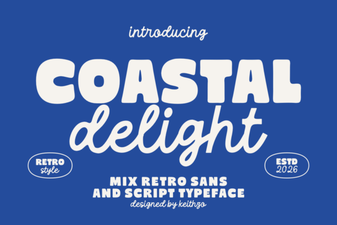 Coastal Delight Font: Design Tips & Download Guide
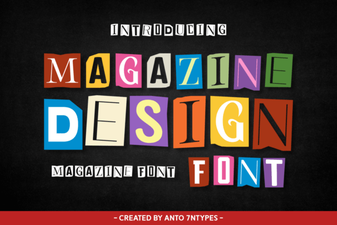 Creative Font Choices for Modern Magazine Design
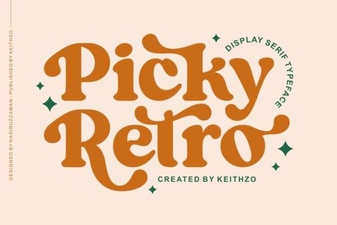 Creative Uses for Picky Retro Fonts
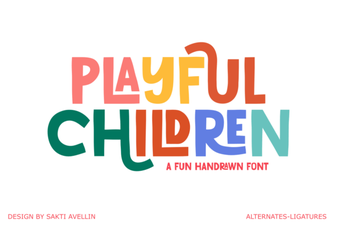 Playful Fonts for Creative Children's Projects
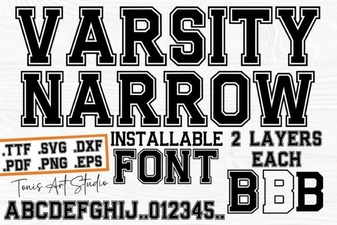 Innovative Design Projects Using Varsity Narrow Font
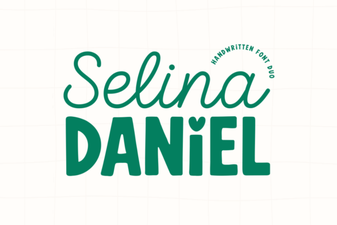 Selina Daniel Duo: a Creative Font Pairing