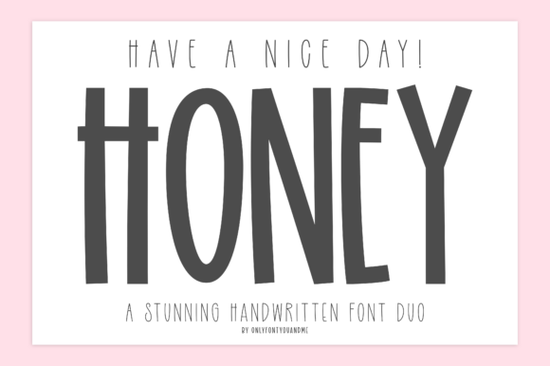
If you need a typography set that balances bold personality with delicate accents, Have a Nice Day Honey Font gives you both in one package. This handwritten duo was built to save designers, crafters, and small business owners time when matching display and supporting lettering. Instead of searching for two separate typefaces that might clash, you get a pre-coordinated pair designed to sit naturally together, much like the versatile pairing found in another curated display set. Independent shops and print-on-demand sellers often choose it for projects that feel approachable but still look professionally polished.
Why does pairing a bold display with a light companion work so well?
Visual contrast keeps viewers reading longer. When a tall, rounded main character stands next to a narrow, airy secondary style, the layout hierarchy organizes itself. The heavier font naturally draws the eye first, making it ideal for short headlines or brand names. The lighter companion steps back gracefully, handling subtitles, quotes, or pricing without competing for attention. You can use italic styling or slight tracking adjustments to fine-tune how they sit together. This balance works especially well for greeting cards, social media templates, and café menus, where warmth and readability matter more than strict geometric precision.
How should I apply it to print and digital projects?
Start with scale and spacing. Large formats like posters, tote bags, or wall art let the organic edges of the primary style shine. Smaller layouts, such as product labels or email headers, benefit from giving the secondary script extra breathing room. Leave adequate padding around hand-drawn lettering so the curves never feel cramped. When preparing files for vinyl cutting or laser engraving, simplify overlapping strokes and always run a physical test print first. Many creators also layer the bold version behind a soft offset to add depth without breaking the handmade aesthetic.
If you want to explore similar bold options for heavier promotional layouts, keep the same contrast principle in mind. The same workflow applies when you switch to lighter, breezy alternatives for seasonal campaigns or wellness branding. Testing a few mockups with real colors quickly shows which weight combination fits your audience best.
What makes this set reliable for branding and commercial use?
Consistency builds customer trust. Because both styles share the same pen pressure, baseline rhythm, and rounded terminals, your designs look cohesive across every touchpoint. A small bakery can use the primary font on storefront signage while printing order stickers with the secondary style. A craft seller can apply the same pair to packaging tissue, hang tags, and thank-you cards. The handcrafted feel avoids looking overly corporate, which helps independent businesses connect with buyers on a personal level. Always verify the included license notes before applying the typeface to trademarked logos, bulk merchandise, or third-party marketplaces.
How can I organize a larger type collection without visual clutter?
Sort your files by function instead of appearance. Keep one or two headline sets in a main folder, store supporting scripts separately, and maintain a clean sans-serif stack for body paragraphs. When you need a nostalgic touch, vintage-inspired typefaces can sit in a secondary drawer. For everyday casual projects, keep handwritten alternatives ready so you never waste time guessing which style fits the brief. This simple filing system cuts down on decision fatigue and speeds up client approvals.
You can also browse Have a Nice Day Honey Font to compare pairing options for future promotions.
Quick design checklist before export
- Place your headline and subtitle side by side to confirm the size ratio feels balanced.
- Print a test copy to check for overlapping curves or pixelation at smaller sizes.
- Verify your commercial license covers the exact products you plan to sell.
- Pair the lettering with two neutral colors so the typography stays the focal point.
- Save a layered master file so you can adjust spacing or swap palettes later without restarting.
Once your mockup passes these checks, share a preview with a colleague or target buyer. Fresh eyes often catch spacing issues that disappear after hours of screen time. With proper hierarchy and clear licensing in place, you can confidently move forward to production and publish your designs.
Get Started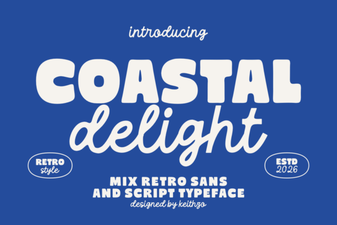 Coastal Delight Font: Design Tips & Download Guide
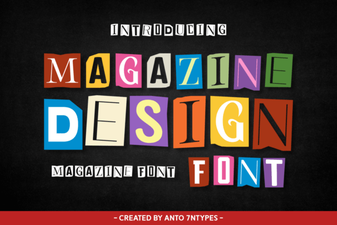 Creative Font Choices for Modern Magazine Design
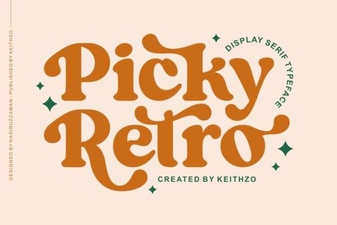 Creative Uses for Picky Retro Fonts
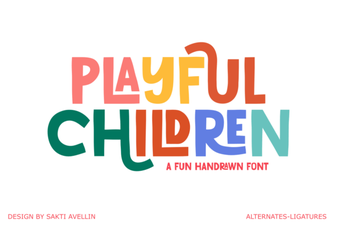 Playful Fonts for Creative Children's Projects
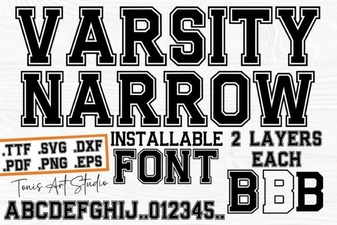 Innovative Design Projects Using Varsity Narrow Font
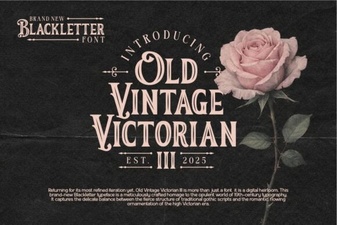 Classic Victorian Font Design Ideas & Uses