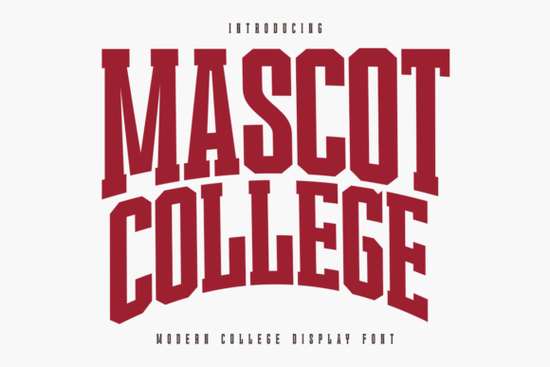
If you are looking for a typeface that handles large, athletic-style lettering without losing clarity, the Mascot College delivers exactly that. It features a heavy, blocky structure and classic slab-serif details that mimic vintage university sports branding. The letterforms stay legible even when resized for smaller merchandise tags, making it a reliable choice for designers who need consistent readability across screens and print layouts.
How well does it cut and print for vinyl projects?
Crafters using Cricut or Silhouette machines know that complex scripts cause weeding headaches. This display font avoids those issues with clean, sharp outlines and uniform stroke widths. The edges remain intact during vector conversion, creating smooth cutting paths that peel easily from transfer paper. For sublimation or direct-to-garment printing, the solid fills hold a crisp, uniform finish. Many makers also notice the bold shapes transfer cleanly to acrylic blanks and metal accessories without losing definition.
What products actually sell with this athletic style?
Print on demand sellers often pair varsity typography with team logos, jersey numbers, and fan gear. The heavy weight reads clearly on hoodies, baseball caps, and water bottles. Local sports leagues use it for tournament posters and banner layouts because it stands out from a distance. Gift shop owners frequently apply it to mugs and photo frames for personalized alumni or team gifts. The best approach is keeping the layout open. Crowded compositions reduce impact, so rely on negative space and simple graphic icons to frame your text.
How do I pair heavy caps with lighter typefaces?
A strong slab-serif needs a simpler companion to balance visual weight. Reserve the bold display lettering for primary headlines, then switch to a clean sans-serif for dates, addresses, or care instructions. Many creators also mix athletic blocks with handwritten scripts to soften rigid layouts. If you prefer relaxed, casual notes, explore friendly handwritten alternatives. For structured catalogs or brand guides, polished editorial selections keep dense paragraphs tidy. When projects require a softer contrast, decorative rounded options blend smoothly without competing for attention.
What spacing adjustments prevent thick letters from colliding?
Dense typefaces usually need tighter tracking to stay cohesive, but excessive squeezing causes overlapping stems. Begin with a slight negative tracking value around -15 and adjust until horizontal bars clear the vertical stems. Line height matters just as much when stacking multiple rows of text. Adding extra vertical breathing room stops bold caps from looking cramped. Many sellers also use layered layout techniques to fit wide athletic words onto narrow surfaces like travel mugs or slim banners.
What should I verify before selling finished merchandise?
Always review the licensing file attached to your download, especially when fulfilling client orders or listing items on third-party marketplaces. Checking commercial permissions upfront prevents account holds or copyright disputes later. Running a single physical proof is equally important. Monitor colors rarely match final output, so a quick test print reveals how ink settles on your chosen fabric or paper stock. You can review full usage terms and additional examples on the official product page before starting production.
Quick Pre-Production Checklist:
- Verify vector paths close cleanly before sending to your cutting machine.
- Print one test sample to confirm ink absorption matches your expectations.
- Confirm commercial permissions cover your specific sales channels.
- Keep hierarchy simple by limiting heavy caps to one main headline per design.
Tip: When applying dark vinyl to light fabric, add a 1mm outer stroke to maintain crisp edges and prevent washing frays.
Learn More Coastal Delight Font: Design Tips & Download Guide
 Creative Font Choices for Modern Magazine Design
 Creative Uses for Picky Retro Fonts
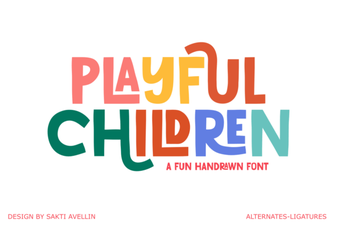 Playful Fonts for Creative Children's Projects
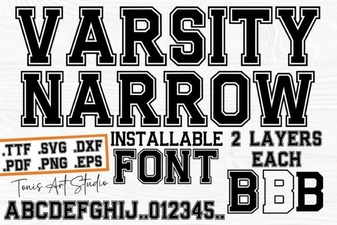 Innovative Design Projects Using Varsity Narrow Font
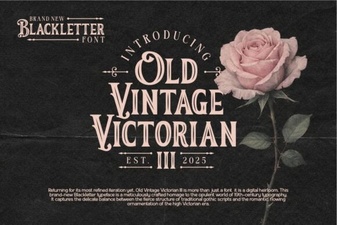 Classic Victorian Font Design Ideas & Uses