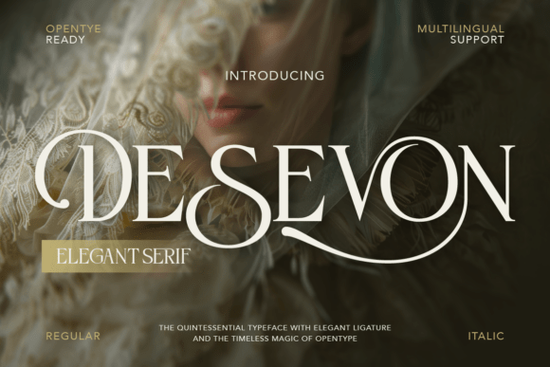
Finding a serif typeface that feels both timeless and ready for modern branding often takes plenty of trial and error. That is exactly why the Desevon Font has become a reliable choice for designers and small business owners. It brings high-contrast strokes and graceful curves into one clean package, making it straightforward to add a polished look to wedding stationery, beauty packaging, or editorial spreads without overcomplicating your layout process.
What should you consider before choosing a high-contrast serif for print projects?
When you print text on physical items like mugs, tote bags, or fabric, readability still matters above all else. Serifs with too much contrast can disappear at smaller sizes, but this typeface strikes a careful balance. The thick and thin transitions remain sharp enough for luxury logos, yet clear enough for body copy when scaled properly. If you are comparing typefaces for shop graphics, you might also want to review how a similar display option like the warm citrus style handles spacing, then decide which curve direction fits your brand voice. Testing your layout at actual print size before sending it to production saves both time and wasted materials.
How do stylistic alternates and ligatures actually improve your workflow?
Built-in ligatures and alternates let you customize how letters connect without manually editing vector paths. You get delicate swashes that extend naturally from capital letters and lowercase endings. Instead of layering heavy graphic elements, you can simply toggle the OpenType features in your design software to create custom wordmarks or standout headings. This approach works especially well for creators who need quick visual variations for Instagram covers, Pinterest pins, or product mockups. A single character swap can make a headline feel handcrafted while keeping the document light and fully editable.
What is the safest way to keep decorative swashes readable on digital screens?
Ornamental extensions look impressive, but they can easily overlap when placed too close together. Keep generous tracking around display text, and reserve the most decorative alternates for the opening letter or final flourish of a short phrase. When designing mobile-first layouts, scale back to the standard glyphs for paragraph text to maintain quick reading speeds. The included character map makes it simple to preview every alternate side by side before dropping it into your working file.
Which file formats and language options are included in the download?
Professional projects usually require both OTF and TTF formats, and this package delivers both for the regular and italic weights. OTF files support advanced OpenType features like contextual ligatures, which modern design programs recognize automatically. TTF versions remain useful for older software or specific cutting machines used by crafters and hobbyists. The font also covers extended Latin characters, making it a practical pick for European markets or bilingual campaigns. You can check the full character map before committing to see exactly which diacritics and punctuation marks are supported.
Where does this typeface fit best for small businesses and POD sellers?
Many independent brands struggle with fonts that feel either too plain or overly dramatic. Because the typeface sits comfortably between classic editorial styling and modern minimalism, it adapts well across different mediums. Fashion lookbooks use it to add quiet authority to product captions, while skincare labels lean on the italic weight for ingredient lists that still feel upscale. Even hobbyists making custom invites find that the default spacing requires very little adjustment. When you pair it with a clean sans-serif for contrast, the result stays balanced without competing for attention. For those exploring more pairing ideas, browsing a curated selection like this dedicated family page can show how similar high-contrast faces behave in structured grid layouts.
To get the most out of your typography toolkit, run through this quick setup checklist:
- Install both formats in your system folder before opening your design software.
- Test both weights side by side to decide which suits your project best.
- Enable OpenType features to reveal hidden ligatures and stylistic alternates.
- Add extra tracking around swashes to prevent accidental overlapping.
- Convert text to outlines before uploading final artwork to any print service.
Keep a simple reference board nearby to track how the letterforms perform against your brand colors. Start with one headline layout, refine the spacing, and build your larger campaign from there.
Get Started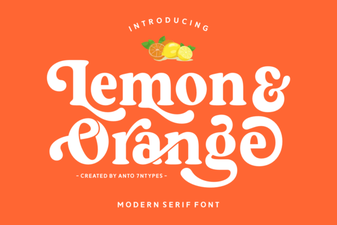 Refreshing Citrus Fonts for Web Design
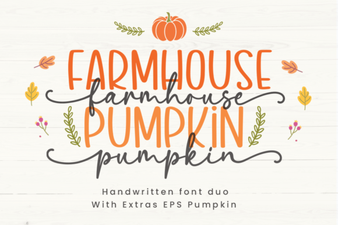 Farmhouse Pumpkin Font Ideas for Your Projects
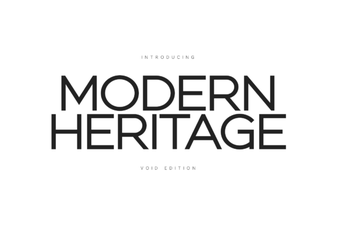 Modern Heritage Fonts for Creative Design Projects
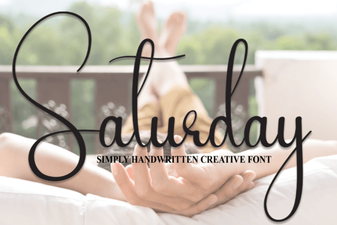 Saturday Fonts for Creative Design Projects
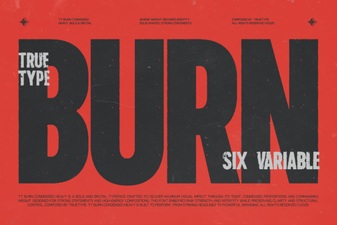 Trt Burn Font: Creative Design Ideas and Uses
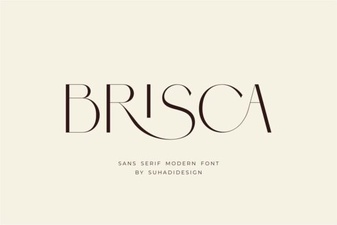 Brisca Font for Creative Design Projects