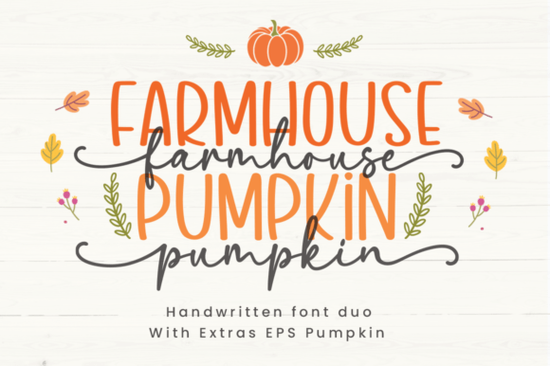
When you need typography that captures the warmth of the harvest season without feeling overly decorative, handwritten duos give you the best balance of charm and readability. Farmhouse Pumpkin Font fits that exact need by pairing a clean, modern sans-serif with a relaxed cursive script. This means you can mix both styles on a single label or use them separately depending on your layout. Many crafters and small business owners reach for this type of combination when they want seasonal products to feel personal rather than mass-produced.
What makes a script and sans combination useful for autumn projects?
Seasonal shoppers usually respond well to typography that feels handcrafted but still keeps product details easy to scan. The sans side of this duo handles longer phrases, ingredient lists, or pricing tags, while the script portion adds that friendly, cozy touch to headlines or short accent words. When you are designing pumpkin patch flyers, fall market signage, or holiday packaging, having both weights in one file saves you from juggling multiple typefaces across different canvases. If you ever need more casual script options to experiment with layout flow, browsing casual Monday-style typefaces can help you see how slight spacing adjustments affect overall readability on smaller print areas.
How do crafters and POD sellers actually apply this type of lettering?
Most creative sellers work with digital cut files, printable templates, or direct-to-garment prints, and clean path conversion matters a lot. You can easily type your design, convert the text to outlines, and adjust tracking so the letters sit comfortably on mugs, tote bags, or wooden signs. Because the curves stay soft without looking overly complex, the design translates smoothly to vinyl weeding, laser engraving, and standard inkjet transfers. If your current setup feels too structured, exploring authentic handwritten alternatives might give you extra layout ideas for custom thank-you cards and product tags.
What spacing and sizing tips keep autumn text readable?
Tracking plays the biggest role when mixing scripts with block letters. Give the cursive words extra breathing room, and let the sans-serif stay tight enough to group properly. I always recommend testing your layout at actual print size before finalizing the digital file. Pro tip: Keep script text to one or two words maximum for smaller items like candle labels, and let the sans-serif carry longer product names or descriptions. When you want a cleaner fallback that strips away extra flourishes, reviewing minimalist display options can teach you how negative space improves scan speed on busy backgrounds.
Where should this typography be avoided?
Handwritten duos thrive on short, emotive copy, but they struggle in dense paragraphs or strict corporate branding. If you are building a lengthy website article, a formal invoice template, or a safety label, stick to standard geometric or serif typefaces instead. The casual nature of this style works best when it supports a visual story rather than carrying heavy information. For sellers who want to keep their shop consistent across spring and summer drops, looking into relaxed weekend typography shows how to adapt the same pairing technique for warmer palettes and lighter seasonal themes. You can also visit the official product gallery to preview how the individual glyphs sit on different canvas sizes before committing to a full batch run.
Before downloading any decorative typeface, always check the commercial license details included in your purchase folder. Most standard licenses cover physical goods, digital templates, and basic advertising, but subscription tiers or specific product counts can shift depending on the original creator. If you want to verify standard usage limits before launching a new seasonal drop, reviewing the farmhouse pumpkin font listing page will give you the exact terms for print, web, and merchandise applications.
Quick checklist before exporting your autumn files:
- Convert all text to paths or outlines to prevent font substitution errors on cutting machines.
- Check letter spacing at 50% scale to ensure cursive connectors do not accidentally touch neighboring glyphs.
- Run a single physical test print on your actual material before batching production orders.
- Keep high-contrast color pairings for readability, especially on textured surfaces like kraft paper or raw wood.
- Final step: Save a master editable file alongside your exported vector so you can quickly adjust holiday promos or swap color palettes later in the season.
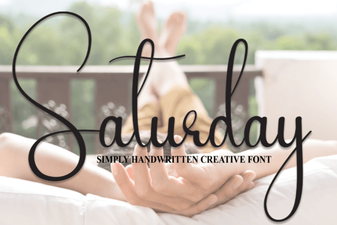 Saturday Fonts for Creative Design Projects
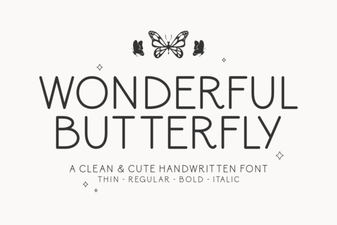 Butterfly Fonts: Creative Typography Designs
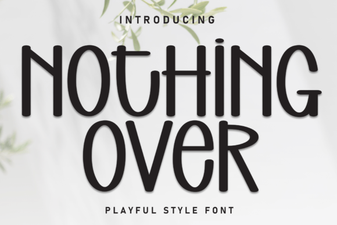 Choosing Font Fonts for Your Creative Projects
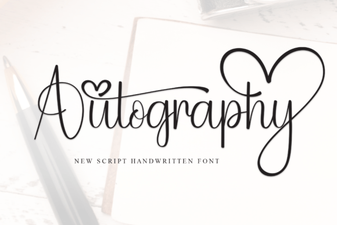 Craft Your Signature Style with Autography Fonts
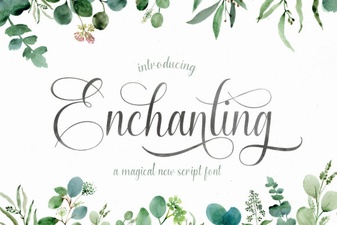 Enchanting Script Fonts for Elegant Design Projects
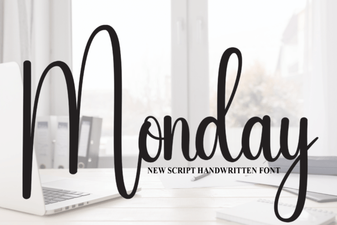 Monday Font: Creative Design Ideas and Project Uses