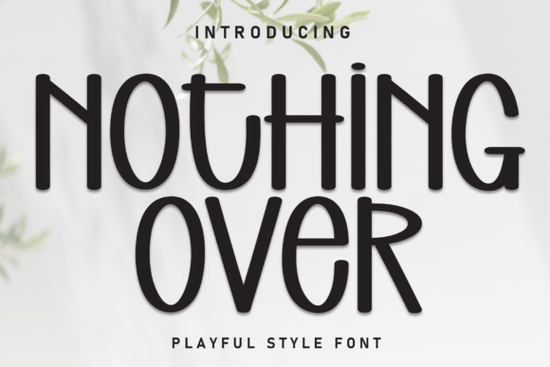
When you are looking for a typeface that balances casual handwriting with clear readability, Nothing over Font Font is a reliable choice. It was designed for projects that need a personal, human touch without sacrificing function. The letterforms carry a gentle, rounded quality that feels approachable, which makes it highly effective for invitations, greeting cards, and branded packaging. If you work with print-on-demand products or run a small creative business, this typeface can help your layouts stand out on physical shelves and digital storefronts.
As you browse similar script options, you will notice how handwritten display faces often share a focus on natural pen strokes, but each has its own spacing rhythm.
How does a playful handwritten font perform on wedding invitations?
Wedding stationery requires a careful balance between decoration and function. This typeface works best as a headline or accent rather than filling long paragraphs. The sweet, friendly curves draw attention to key details like names and venue locations. Because the letters maintain consistent weight and open apertures, they remain legible on textured paper or metallic foil. Print at a minimum of twelve points and leave generous margins. This prevents cramped spacing and preserves the relaxed feel. Pair it with a clean sans serif for body copy to create strong visual contrast.
If you prefer exploring this specific handwritten typeface alongside other seasonal styles, you will notice consistent character widths that make alignment much faster.
What should print-on-demand sellers know before using script fonts?
Selling custom mugs, tote bags, and apparel means your design will reproduce across multiple materials. Handwritten fonts require extra attention to contrast. Always test mockups against light and dark fabrics. On dark backgrounds, add a subtle outline to maintain clarity. The playful character pairs well with minimalist layouts, where negative space gives letters room to breathe. Convert text to outlines before production to prevent rendering issues. Keep artwork at three hundred DPI for crisp edges on small tags or labels.
If you want to compare spacing techniques, look at how butterfly-inspired typography leans heavily into decorative flourishes. The practical letter spacing here makes daily layout adjustments much smoother.
Can I mix this display font with other typefaces for branding?
Pairing handwritten fonts with complementary styles is standard practice. Choose a geometric sans serif that shares a similar x-height but lacks decorative strokes. This creates a clear hierarchy where the display font handles headlines and the secondary font handles menus or contact information. You can also use it for short social media captions, where its friendly tone matches casual platforms. Consistency builds trust, so limit your palette to two typefaces.
Many beginners find that starting with straightforward script layouts builds confidence before moving into complex designs. This saves revision time and keeps client approvals moving forward.
How do I format this font for digital versus print use?
Technical setup differs depending on your medium. For web design, embed optimized files and test load times on mobile devices. Handwritten characters render differently across systems, so use variable font files when available. For print, stick to high-resolution PDF exports to preserve quality. When designing digital templates, increase line height slightly to improve readability and preserve character.
For secondary readability in longer paragraphs, explore versatile weekend-themed typography that focuses on steady rhythm and clean curves.
What licensing rules apply to commercial products?
Always review the commercial rights before launching a physical product line. Understanding usage terms protects your business from unexpected compliance issues. Different licenses cover digital downloads, physical merchandise, and client work, so match your purchase to your exact distribution method. Keep a copy of your license receipt attached to your project files for easy reference during audits.
For detailed commercial licensing guidelines, visit the official reference for Nothing over Font to verify current terms.
Before publishing your next design project, run through this quick checklist:
- Test print scale: Print a physical proof to verify spacing and stroke clarity.
- Check contrast: Ensure text remains readable on light and dark backgrounds.
- Pair deliberately: Combine the display font with one clean supporting typeface.
- Outline text: Convert text to vectors before sending files to vendors.
- Review licensing: Confirm your license covers your specific products.
Once your layout passes these checks, export files in the highest quality format. Small tracking adjustments often separate good designs from polished products. Keep testing different paper weights, as tactile materials change how handwritten typography appears in person.
Download Now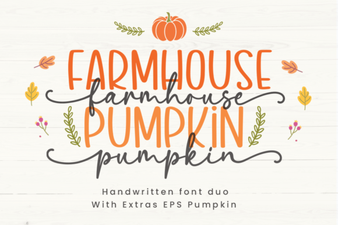 Farmhouse Pumpkin Font Ideas for Your Projects
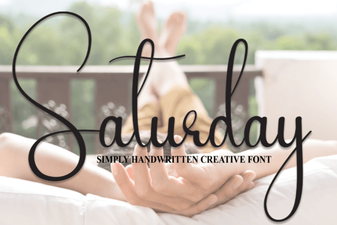 Saturday Fonts for Creative Design Projects
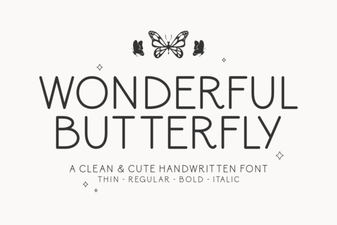 Butterfly Fonts: Creative Typography Designs
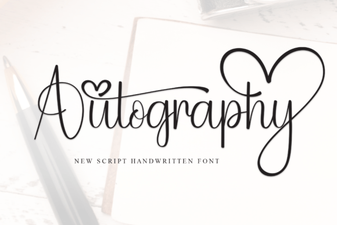 Craft Your Signature Style with Autography Fonts
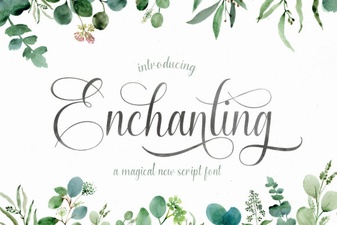 Enchanting Script Fonts for Elegant Design Projects
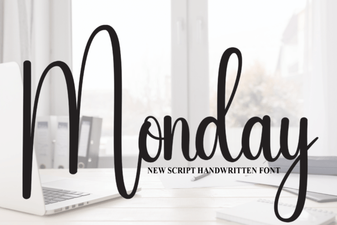 Monday Font: Creative Design Ideas and Project Uses