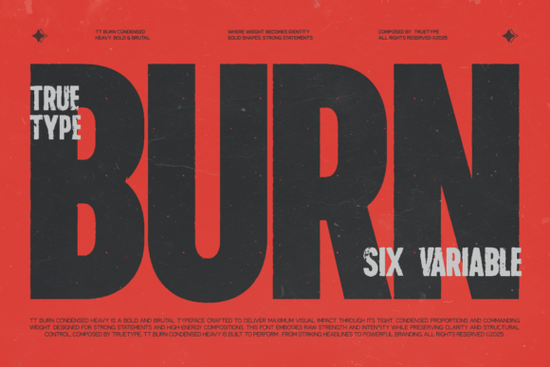
If you work with posters, product labels, or website interfaces, you know how quickly cramped layouts start to look messy. TRT Burn Font solves that spacing problem by offering a tight, modern condensed structure without sacrificing readability. It was built specifically for designers and creators who need to fit clear, bold text into narrow areas. The upright proportions and clean edges make it a reliable choice for both screen and print projects.
Why choose a condensed sans serif for space-conscious layouts?
Tight spaces often force creators to shrink text until it becomes unreadable or stack elements in awkward ways. A well-crafted narrow typeface lets you keep your hierarchy intact while fitting more words into the same column or banner width. The balanced stroke width and geometric shapes in this family maintain a professional look even at smaller sizes. If you are managing brand guidelines for small businesses or preparing files for print-on-demand sellers, this approach saves you from redesigning entire layouts when space runs short. You can explore how narrow typefaces behave across different formats by visiting the narrow typography collection.
Where does this style work best in everyday projects?
Condensed fonts shine when visual impact matters more than long-form reading. You will notice them in editorial covers, event posters, packaging labels, and digital ad banners. The confident vertical rhythm makes headlines stand out without overpowering surrounding graphics. Crafters and hobbyists often use this style for custom apparel, vinyl decals, and sticker designs where width is strictly limited. Web developers also appreciate it for navigation bars and dashboard interfaces that require compact labels. When you need a reliable voice for both display and functional text, it adapts quickly to your canvas size.
How do you pair it with other typefaces?
Mixing a strong narrow sans with complementary fonts keeps your layout balanced and prevents visual fatigue. Start by using the heavier weights for short titles, then pair them with a lighter, more open serif for body copy or captions. The contrast in width and stroke weight creates clear separation between sections. If you want to experiment with different character shapes, you can also try combining it with classic serif alternatives to add subtle warmth to technical layouts. For tighter editorial spreads, structured display options often provide the right structural balance without competing for attention. Avoid matching it with another tightly spaced font, as competing narrow proportions usually make paragraphs feel cramped and hard to scan.
What technical details should you check before printing or publishing?
Proper spacing adjustments make the difference between a polished result and a rushed draft. Always review your kerning and tracking when scaling the text up or down. Condensed faces naturally leave less breathing room between letters, so a quick +10 or +20 tracking value often improves readability at smaller sizes. Test your files on actual print materials before sending them to production, as ink bleed can tighten already compact letterforms. For digital use, check how the anti-aliasing renders on different screen resolutions to keep edges crisp.
What steps keep your files organized during production?
- Install the full family package so you have access to light, regular, and bold weights.
- Set your line height to at least 1.3 to prevent stacked lines from touching.
- Use the heaviest weight only for short phrases or single words.
- Keep body copy to lighter weights with relaxed letter spacing.
- Export as SVG or convert to outlines for print projects to avoid substitution errors.
If you want to review the complete weight set and commercial licensing details, you can access the TRT Burn Font directly through the marketplace. Having the right typeface on hand means fewer layout compromises and more consistent branding across your portfolio.
Before finalizing your next design, run through this quick review:
- Check that headlines fit within your grid without overflowing the margins.
- Verify contrast between text and background meets accessibility standards.
- Print a single test sheet to confirm ink coverage and edge sharpness.
- Review all mobile breakpoints to ensure scaled text remains legible.
- Save your project files with embedded fonts or converted outlines for safe archiving.
Taking these steps keeps your workflow steady and prevents last-minute adjustments when deadlines approach. Focus on clean spacing and consistent hierarchy, and your final output will look professional across every medium.
Get Started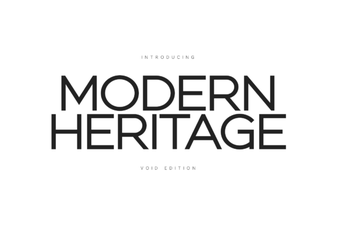 Modern Heritage Fonts for Creative Design Projects
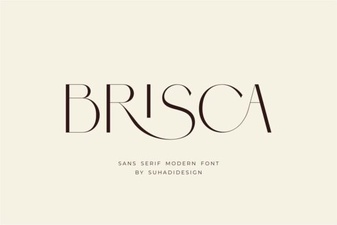 Brisca Font for Creative Design Projects
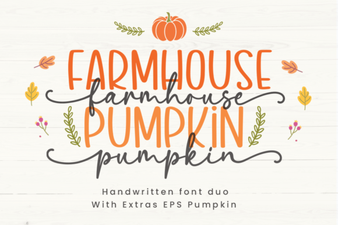 Farmhouse Pumpkin Font Ideas for Your Projects
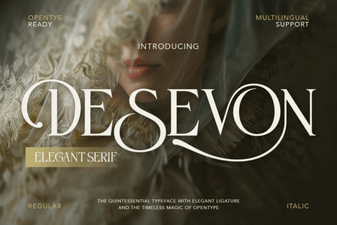 Desevon: a Bold Font for Creative Projects
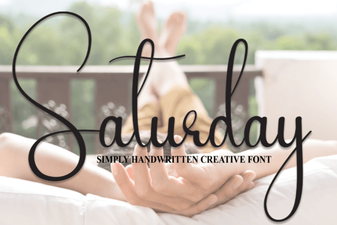 Saturday Fonts for Creative Design Projects
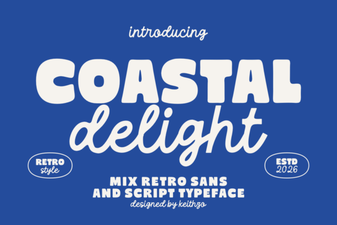 Coastal Delight Font: Design Tips & Download Guide